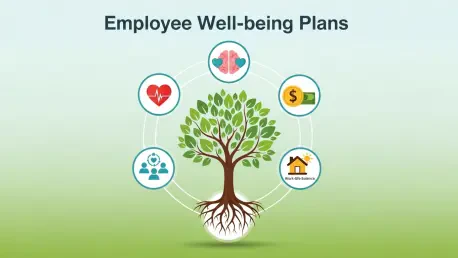

While a robust health strategy serves as the backbone of modern corporate longevity, nearly half of all British enterprises operate without any documented wellness framework whatsoever. This disparity highlights a significant divide between organizations that view health as a strategic asset and those that treat it as a secondary concern. As the modern workplace evolves, the transition from offering simple perks to establishing core operational wellness structures has become a defining factor for competitive success. Executive leadership and human resources departments now face the challenge of moving beyond reactive support systems that only trigger when a crisis occurs.
The Current Landscape of Corporate Wellness in the United Kingdom
Formalized health strategies provide a roadmap for consistent support, yet a substantial 43% of the market still relies on undocumented approaches. This gap suggests that many businesses remain stuck in a reactive cycle, addressing issues only as they arise rather than preventing them. Workplace culture plays a pivotal role in this adoption; where leadership prioritizes well-being, documented frameworks tend to flourish. Benefits experts and stakeholders are increasingly advocating for a shift toward structured systems that offer clarity for both the employer and the staff.
Shifting Paradigms in Employee Support and Growth Metrics
Emergent Trends in Strategic Alignment and Tailored Benefits
The era of generic, one-size-fits-all benefit packages is rapidly fading in favor of data-driven, tailored support systems. Modern organizations are beginning to align wellness initiatives with specific corporate objectives, such as reducing turnover and attracting top-tier talent. This strategic alignment ensures that every dollar spent on health contributes directly to the stability and growth of the enterprise. Specialist advisors are now essential players in this space, helping companies navigate a complex market to find high-value solutions that meet specific workforce needs.
Statistical Benchmarks and the High Cost of Inaction
Analysis reveals that only 51% of UK businesses maintain and regularly update a formal wellness plan, leaving a dangerous opening for inefficiency. This undocumented 43% often experiences higher rates of absenteeism and lower overall productivity compared to their structured counterparts. As the wellness sector continues to grow, the financial cost of inaction becomes more apparent to those who avoid formal documentation. Moving away from ad-hoc assistance is no longer just a human resources preference but a vital economic requirement for maintaining a functional workforce.
Navigating the Hurdles of Informal and Reactive Frameworks
The ad-hoc trap remains a significant obstacle, as 13% of businesses fail to reach employees who value privacy or feel uncomfortable requesting help openly. Relying on staff to self-report struggles often alienates the very people who need support the most. Implementing anonymous surveys offers a solution by providing honest data without compromising employee comfort. This data then serves as the foundation for a formal strategy that addresses actual needs rather than perceived ones.
Securing board-level buy-in requires a shift in how wellness is presented to decision-makers. By demonstrating the financial return on investment and the direct link between staff health and business performance, advocates can turn wellness from a cost center into a value driver. A documented strategy provides the transparency needed for executives to approve and sustain long-term funding. Without this formalization, health initiatives remain vulnerable to budget cuts during economic fluctuations.
The Regulatory Environment and Corporate Governance Standards
Occupational health standards are increasingly influencing how companies must document their well-being requirements to remain compliant. Data privacy and security have become paramount when collecting health feedback, requiring a sophisticated approach to information management. Companies that fail to maintain formal records risk falling short of internal audits and external regulatory expectations. Documented wellness plans offer a safeguard against litigation by proving a proactive commitment to a sustainable work environment.
The Future of Workspace Health and Strategic Integration
Wellness has moved from a peripheral human resources function to a board-level financial priority that dictates organizational resilience. Integration of mental health technology and specialist consulting is expected to disrupt the market as businesses seek more efficient ways to monitor staff health. Global economic conditions will continue to pressure budgets, favoring those with evidence-based strategies over those with vague, reactive plans. The total phase-out of reactive support seems inevitable as proactive care becomes the industry standard.
Strengthening Organizational Resilience Through Formalized Care
The transition from informal perks toward a structured strategy proved to be the most effective way to secure long-term business health. Organizations that successfully implemented regularly reviewed wellness frameworks established a foundation for sustainable growth and employee loyalty. Leaders prioritized anonymous feedback and specialist consultation to ensure that every initiative addressed real-world challenges. This proactive investment shifted the corporate focus from mere survival to a state of thriving operational excellence.