
The rapid evolution of remote work infrastructure has transformed Mexico from a seasonal vacation destination into a sophisticated operational base for the global workforce. As professionals increasingly prioritize technical reliability over purely aesthetic appeal, the distinction between a tourist town and a productivity hub has become the primary factor in long-term relocation decisions. Currently, the influx of location-independent talent has pressured local municipalities to upgrade fiber-optic networks and expand professional coworking ecosystems to meet North American corporate standards. This shift ensures that high-level executives and software developers can maintain seamless connectivity while benefiting from the cultural richness and favorable time zones that the region offers. Consequently, the selection of a home base now requires a rigorous evaluation of “productivity infrastructure,” balancing the necessity of uninterrupted power and high-bandwidth internet with the lifestyle advantages of specific Mexican regions.
The Urban Powerhouses: Centralized Infrastructure and Reliability
Mexico City: The Professional Standard for Corporate Operations
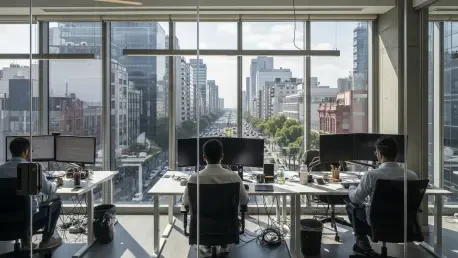
Mexico City, frequently referred to as CDMX, has solidified its position as the ultimate destination for those who cannot afford a single minute of downtime. The city boasts a level of infrastructure maturity that rivals major global capitals like New York or London, featuring a dense network of Tier-1 data centers and widespread availability of fiber-optic connections. For a digital nomad, this translates into symmetrical upload and download speeds that facilitate high-definition video conferencing and the handling of massive data sets without latency. Beyond the technical basics, the city’s business districts—specifically Polanco, Reforma, and Juarez—host an array of premium coworking spaces such as WeWork and local high-end brands like Co-W. These facilities provide redundant internet lines and backup power generators, which are essential for maintaining professional commitments during the occasional seasonal storm or localized grid maintenance.
The professional ecosystem in Mexico City extends far beyond mere physical hardware, offering a level of networking and industry access that is unparalleled in Latin America. As a central hub for venture capital and tech startups, the city provides a fertile ground for founders and high-level consultants to engage in organic networking within specialized tech circles. The presence of a highly educated, bilingual local workforce also fosters a collaborative environment where international professionals can find local partners or specialized service providers. This cosmopolitan lifestyle is supported by a robust transportation network and a culinary scene that caters to every professional schedule, making it possible to transition from a high-stakes board meeting to a world-class networking dinner within minutes. For those whose roles demand the highest level of professional rigor, the capital remains the most reliable choice for sustained productivity.
GuadalajarThe Technological Engine of the West
Often dubbed the “Silicon Valley of Mexico,” Guadalajara offers a unique value proposition by combining a deep-rooted tech industry with a more manageable cost of living than the capital. The city has spent years cultivating a specialized infrastructure designed to support large-scale hardware and software engineering firms, which has directly benefited the local digital nomad community. High-speed internet is the standard here, not the exception, and the city’s urban layout is dotted with “work-friendly” cafes and dedicated professional hubs that prioritize quiet environments and ergonomic setups. Unlike the frenetic energy of Mexico City, Guadalajara provides a more focused atmosphere that is particularly conducive to deep-work sessions and long-term project development. This makes it an ideal location for developers, data scientists, and engineers who require a stable environment to focus on complex technical tasks.
Furthermore, the price-to-performance ratio in Guadalajara is arguably the best in the country for professionals looking to maximize their operational budget. While the infrastructure matches that of the capital, the costs associated with premium office space and high-end residential rentals are significantly lower. This financial flexibility allows remote workers to invest more in their own hardware or specialized services, further enhancing their individual productivity. The city also hosts a variety of tech conferences and innovation summits throughout the current year and into 2027, providing ongoing opportunities for professional development and industry alignment. For the remote professional who seeks a balance between a high-tech lifestyle and a more traditional Mexican cultural experience, Guadalajara offers a mature, stable environment that minimizes the common headaches of location-independent work.
Coastal and Cultural Alternatives: Balancing Lifestyle and Output
Playa del Carmen: The Reliable Middle Ground for Coastal Work
Playa del Carmen has successfully navigated the transition from a backpacker’s retreat to a legitimate satellite office for the international workforce. Unlike many other coastal towns where the internet is often an afterthought, Playa has invested heavily in fiber-optic expansion, particularly in the downtown areas and the gated community of Playacar. This development allows professionals to enjoy the Caribbean climate while maintaining the connectivity required for standard corporate workflows. The city is home to several well-established coworking spaces that understand the specific needs of digital nomads, offering reliable backup systems and 24/7 access. This infrastructure makes it possible to maintain a rigorous 9-to-5 schedule aligned with Eastern Standard Time, ensuring that beach-side living does not result in a decline in professional responsiveness or output quality.
However, the reality of living in a tropical environment means that professionals must be more strategic about their choice of residence and workspace. While the central areas are highly reliable, the outskirts can still experience the occasional connectivity dip or power fluctuation characteristic of coastal regions. Successful nomads in Playa del Carmen typically opt for modern apartment complexes that specifically advertise fiber-optic compatibility and high-voltage electrical circuits. The community here is also more structured than in more “bohemian” beach towns, with a focus on fitness, productivity, and professional networking. This creates a supportive environment where peers hold each other accountable for their work goals, effectively countering the distractions inherent in a resort-style setting. For those who prioritize a coastal lifestyle but cannot compromise on basic operational standards, Playa del Carmen represents the most functional compromise in Mexico.
Oaxaca and Tulum: Assessing the Challenges of Aesthetic Locations
Oaxaca City and Tulum represent the “aesthetic” end of the digital nomad spectrum, where the appeal lies in cultural depth or trendy social scenes rather than technical infrastructure. Oaxaca is a magnet for creative professionals, writers, and those in the “slow travel” movement who value an authentic cultural experience over high-speed industrial connectivity. While the city is progressively improving its internet stability, it remains a “low-bandwidth” destination compared to the tech hubs. Frequent visitors and residents often rely on localized solutions like Starlink or specialized boutique coworking spaces to bridge the gap between local infrastructure and professional requirements. It is a location best suited for those whose work is asynchronous or does not require constant high-definition video streaming, as the trade-off for the city’s world-class culinary and art scenes is a slower pace of technical life.
Tulum, on the other hand, presents a more complex set of challenges for the productivity-focused professional. Despite its global reputation and high price point, the town’s infrastructure has struggled to keep pace with its rapid growth, leading to frequent electrical blackouts and unreliable Wi-Fi in many of the most popular neighborhoods. While there are a handful of high-end “work-and-play” clubs that offer satellite internet and backup generators, these often come at a premium that does not always equate to a frustration-free experience. The environment is heavily geared toward networking and social branding, which can be highly beneficial for influencers or early-stage entrepreneurs, but potentially detrimental to those needing to execute deep, focused work. For the remote worker, choosing Tulum requires a significant amount of due diligence to ensure their specific accommodation can actually support their daily labor requirements without constant interruption.
Strategic Selection for Long-Term Professional Success
The selection of a Mexican hub was previously dictated by personal preference, but the current professional landscape necessitates a more analytical approach. For those in high-stakes roles, the primary focus should remain on the “Big Three” of Mexico City, Guadalajara, and Playa del Carmen, where the infrastructure is most likely to support a standard of work that is indistinguishable from a traditional office environment. Before finalizing a relocation, professionals should conduct a thorough audit of their specific technical needs, including minimum upload speeds for video conferencing and the necessity of backup power sources. It is advisable to utilize platforms that provide real-time internet speed tests from specific coworking spaces or apartment buildings to verify claims made by property owners. Investing in a secondary connectivity source, such as a high-capacity mobile hotspot or a portable satellite terminal, is also a prudent step for anyone operating outside of the major urban centers.
Moving forward, the focus for the remote workforce should shift from merely finding a place to work to optimizing their environment for specific professional goals. This involves looking beyond the Wi-Fi signal and considering the local ecosystem’s ability to provide professional development, networking, and a sustainable work-life balance. As the digital nomad market matures through 2027 and 2028, we will likely see an even greater specialization of these hubs, with some cities catering specifically to the biotech sector while others focus on creative industries. To stay ahead, remote professionals must remain adaptable and willing to migrate as infrastructure improves in emerging cities. By prioritizing technical reliability and professional community, individuals can leverage Mexico’s diverse offerings to not only maintain their current productivity but to actually enhance their careers through the unique perspectives and opportunities found within these dynamic Mexican hubs.