
Sofia Khaira has spent years navigating the complex internal structures of major corporations, focusing specifically on how diversity, equity, and inclusion are not just moral imperatives but essential components of healthy talent management. As an expert in fostering equitable work environments, she has witnessed firsthand how the shifting tides of technology can either empower or alienate a workforce. With the rapid expansion of artificial intelligence, the tech industry—once considered a safe haven of high salaries and unmatched perks—is undergoing a profound transformation. In this conversation, we explore how the erosion of traditional job security is driving a new era of labor organizing, the specific anxieties tech workers feel regarding the ethics of their own creations, and the tangible victories being won at the bargaining table.
How has the perception of tech workers shifted from being immune to labor struggles to becoming active participants in union movements?
For many years, the tech industry felt like a secure fortress where workers were insulated from the hardships of the traditional labor market. Engineers and developers enjoyed a lifestyle defined by dream benefits like free lunches and unlimited vacation, often feeling as though they were on equal footing with executives who also dressed down in sneakers and hoodies. However, that sense of immunity has completely vanished as mass layoffs and the introduction of AI have fundamentally changed the landscape. We are seeing a significant shift in identity where these individuals realize that, despite their high compensation, they are still workers who can be replaced. In a recent survey of information technology staff at the University of California, a staggering 65% of respondents reported taking on significantly higher workloads due to vacant positions, proving that the old “privilege” is being replaced by burnout.
In what ways is artificial intelligence acting as a catalyst for collective action rather than just another technological tool?
Artificial intelligence is not just changing how code is written; it is fundamentally altering the power dynamic between employers and employees. Workers are increasingly anxious about how these tools are being used to monitor their productivity or even replace their roles entirely. For instance, after Meta cut thousands of jobs in May and began a program to track employee activities, many felt the power had tipped too far toward the employer. This environment of surveillance and uncertainty led to a rise in organizing, with the Alphabet Workers Union seeing participation in job security petitions reach over 4,500 signatures. It is a very emotional process for these workers who feel they are being saddled with more work by the very products they helped build, forcing them to seek a seat at the table to regain some agency.
What role do ethical concerns and company values play in the recent surge of organizing efforts among software engineers?
We are seeing a new “values-based” organizing movement where employees are no longer willing to separate their professional output from their personal ethics. Workers at Google DeepMind and Meta in the UK have recently voiced strong objections to their AI products being utilized for military purposes or invasive productivity monitoring. This isn’t just about money; it’s about a desire to show up as true owners and have a legitimate voice in the operations and products of the company. When leadership retains complete decision-making authority over ethical issues like hate speech or military contracts, employees feel a deep sense of betrayal. This lack of a formal channel to be heard is exactly why many are turning to unions, as seen when Google workers successfully protested Project Maven back in 2018, proving that collective action can actually change a company’s trajectory.
What concrete victories have we seen from tech unions that might inspire workers in other sectors to follow suit?
The victories we are seeing now are providing a very real blueprint for how to handle the AI transition across all industries. At ZeniMax, the Microsoft-owned gaming company, the union finalized a contract in 2025 that explicitly protects quality assurance testers from unregulated AI usage and outsourcing. When Microsoft later cut thousands of jobs that same summer, those unionized workers had their severance benefits clearly spelled out and protected, which is a rare safety net in the current climate of game development. Similarly, Kickstarter’s union negotiated a groundbreaking contract that includes a four-day workweek, a minimum salary for all staff, and a guarantee that AI will not replace full-time roles. These wins show that organizing can provide tangible security, transforming the abstract fear of “being replaced” into a manageable, negotiated process with legal safeguards.
How does the movement within Silicon Valley serve as a signal for the rest of the labor market as AI integration spreads?
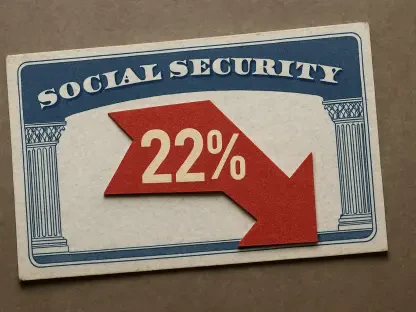
Silicon Valley often acts as a bellwether for the broader economy, and right now, it is signaling that the era of the “unorganized white-collar worker” may be coming to an end. We are already seeing the ripple effects as National Nurses United fights the use of AI in clinical settings and SAG-AFTRA protects creative professionals in Hollywood from digital replacement. When only 22% of IT workers in a university system say they feel secure in their jobs, it highlights a widespread crisis of confidence that transcends specific sectors. The proliferation of AI is making it clear that regardless of how specialized your skills are, the threat of consultant-driven layoffs remains constant. This realization is pushing workers everywhere to view unionization not as a radical step, but as a necessary guardrail for the modern age.
What is your forecast for the future of tech labor relations?
I believe we are on the cusp of a permanent shift where the “Silicon Valley-ness” of avoiding unions will become a relic of the past. Total union actions at Alphabet doubled in 2025 compared to the previous year, and this momentum suggests that the Alphabet Workers Union, which already represents over 1,400 people, will only continue to grow. We will likely see a surge in “AI-specific” clauses in labor contracts across the globe, as workers fight to ensure that technology is used to strengthen operations rather than just as a cost-cutting measure for layoffs. The myth of the “immune” tech worker has been debunked for good, and in its place, we are seeing a more mature, organized workforce that understands the second best time to unionize is today. Companies that refuse to engage in good faith will likely find themselves facing a more unified and determined workforce than they ever anticipated.