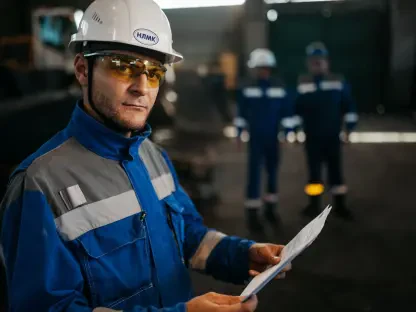

Reverse headband certification now allows professionals to safely orient their hats backward to accommodate welding hoods or improve upward visibility. This specific advancement represents a broader shift in the industrial sector toward a more nuanced understanding of protective equipment. As of

Business leaders are concerned that the subjective nature of psychosocial hazards makes it nearly impossible for an employer to ever reach a definitive state of legal compliance. This critical apprehension stems from a proposed overhaul of the British Columbia occupational health and safety

The Ministry of Manpower has introduced a voluntary safety time-out for high-risk industries following a sharp rise in workplace deaths since early September. This abrupt surge in casualties within the construction and transportation sectors has prompted a critical re-evaluation of current safety

Labor advocates argue that California's success proves workers can effectively organize to secure protections that were previously deemed politically impossible in the face of tech lobbying. This momentum has transformed the state into a primary battleground for the future of employment, marking a
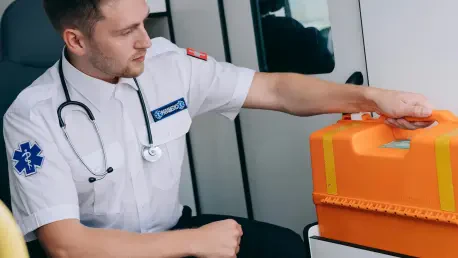
Ontario’s broader vacancy crisis in Northern districts mirrors the recruitment struggles currently plaguing the Peterborough City-County Paramedic service. This local crisis reached a boiling point when members of CUPE Local 4911 delivered a historic 99 percent strike mandate, an action that

Phishing simulations that offer immediate, friction-filled feedback are becoming essential components for organizations looking to bridge the gap between technical and human defenses. For years, the prevailing wisdom in the cybersecurity sector was that training should be as painless and