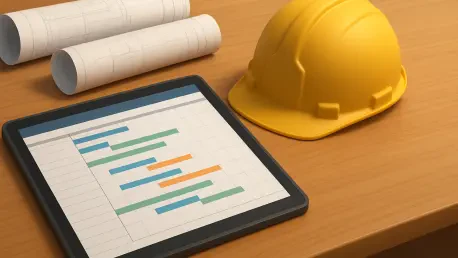
For decades, the construction industry remained shackled to the uncompromising dawn-to-dusk schedule that defined heavy labor, but a new era of flexibility is finally dismantling these rigid norms. The standard expectation that site presence must be constant and grueling is being replaced by a
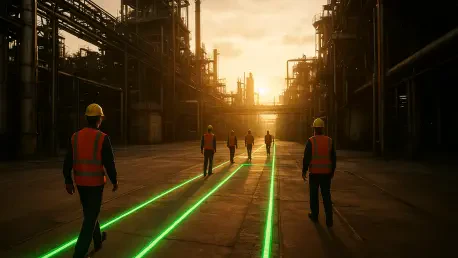
The integration of the Predict Au tool allows safety managers to analyze over ten million data patterns to identify high-risk sites months in advance. This initiative represents a core component of the NextGen Growth 2030 strategy, a vision that places the physical and mental well-being of the

The configuration of a worker's body relative to their surroundings—such as a hand positioned near a moving gear—defines the thin line between safety and a catastrophic accident. In the modern industrial landscape of 2026, where efficiency often drives operational pace, the risk of human error

Early intervention through employee assistance programs helps workers address stress and build resilience before minor issues become major productivity barriers. This strategic pivot marks a departure from historical norms where corporate health initiatives focused primarily on managing chronic

Reverse headband certification now allows professionals to safely orient their hats backward to accommodate welding hoods or improve upward visibility. This specific advancement represents a broader shift in the industrial sector toward a more nuanced understanding of protective equipment. As of

Business leaders are concerned that the subjective nature of psychosocial hazards makes it nearly impossible for an employer to ever reach a definitive state of legal compliance. This critical apprehension stems from a proposed overhaul of the British Columbia occupational health and safety