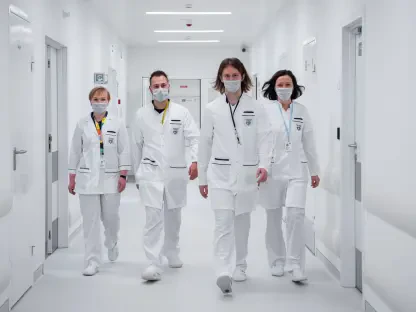

The credibility of a firm’s commitment to mental health is tested by how its infrastructure handles the persistent pressures and conflicts that define the professional experience. As the business landscape evolves toward the midpoint of the decade, many organizations find themselves caught in a

Trade unions are demanding that employers conduct mandatory risk assessments specifically focused on temperature control and ventilation to accommodate menopausal employees. This push by the European Trade Union Confederation, representing approximately 45 million workers, signals a profound shift

When a sudden and life-altering change strikes an employee's personal world, their primary instinct should not be to navigate a labyrinth of dense corporate jargon. Traditionally, human resources departments have relied on fifty-page handbooks to manage crises, a method that often feels sterile and

Post-injury depression often stems from a combination of physical pain, financial instability, and the psychological impact of losing one's professional identity. This intersection of mental health and physical safety becomes even more pronounced as the calendar shifts into the darker months of the
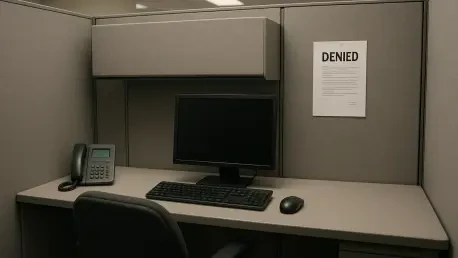
Feeling completely exhausted by the lack of genuine negotiation and corporate empathy, a retail supervisor officially resigned her position on October 15 without seeking any form of financial compensation. This definitive act followed a period of intense personal turmoil and public scrutiny

Baby Boomers are the least likely generation to use time off for sleep, with only 20% reporting the practice compared to much higher rates among younger professional cohorts. This disparity signals a fundamental transformation in how the American labor force conceptualizes the purpose of earned