The implementation of a sweeping array of state and local employment regulations this month marks one of the most significant structural shifts in the American labor market seen in recent history. As organizations adjust to these stringent mandates, the transition from voluntary corporate social

When an individual enters a modern professional environment, they possess a reasonable expectation that their physical well-being will be protected by federal mandates designed to ensure equitable access to employment. The U.S. Equal Employment Opportunity Commission recently initiated a lawsuit

The rhythmic hum of a twenty-four-hour production line often masks the quiet exhaustion of the men and women who keep the gears of the modern economy turning during the darkest hours of the night. While executive suites frequently tout high employee engagement scores and the benefits of flexible
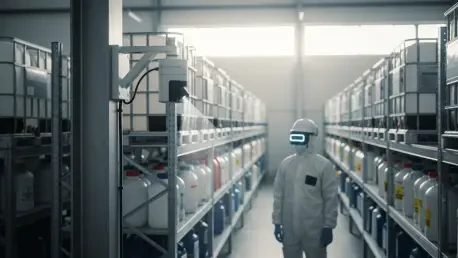
The persistent gap of 32 percent in injury rates between chemical manufacturing and general industry sectors highlights a critical failure in traditional safety management systems. While the Globally Harmonized System and Occupational Safety and Health Administration regulations provide a necessary
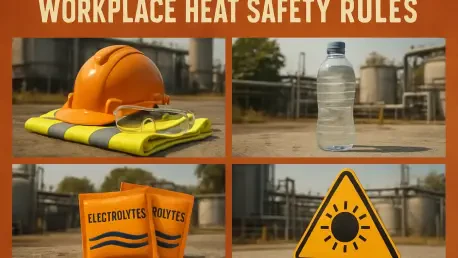
Across the American landscape, from the blistering asphalt of highway construction sites to the sweltering corridors of industrial warehouses, the fundamental legal expectations for worker protection are undergoing a historic transformation. For decades, the management of heat-related illness

Modern organizations have reached a critical juncture where the sheer volume of capital allocated to employee wellness is no longer a reliable indicator of actual psychological safety for women. Despite the proliferation of sophisticated digital health platforms and expanded leave policies, the